Login/Sign Up
Project: Redesign a new login/signup mobile flowIndustry: Federal Government/SaaSRole: Product DesignerResponsibilities: UI Designer, UX Researcher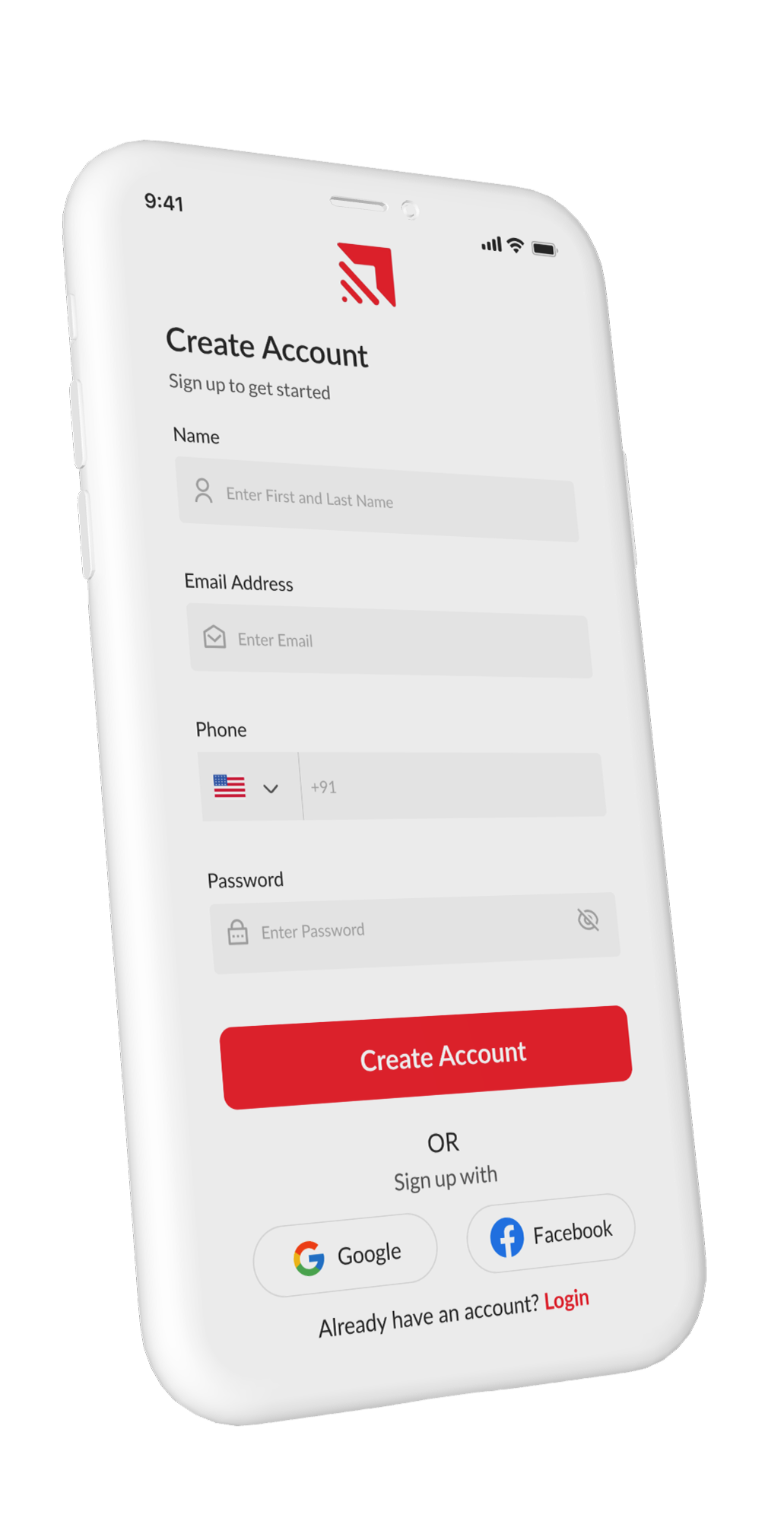
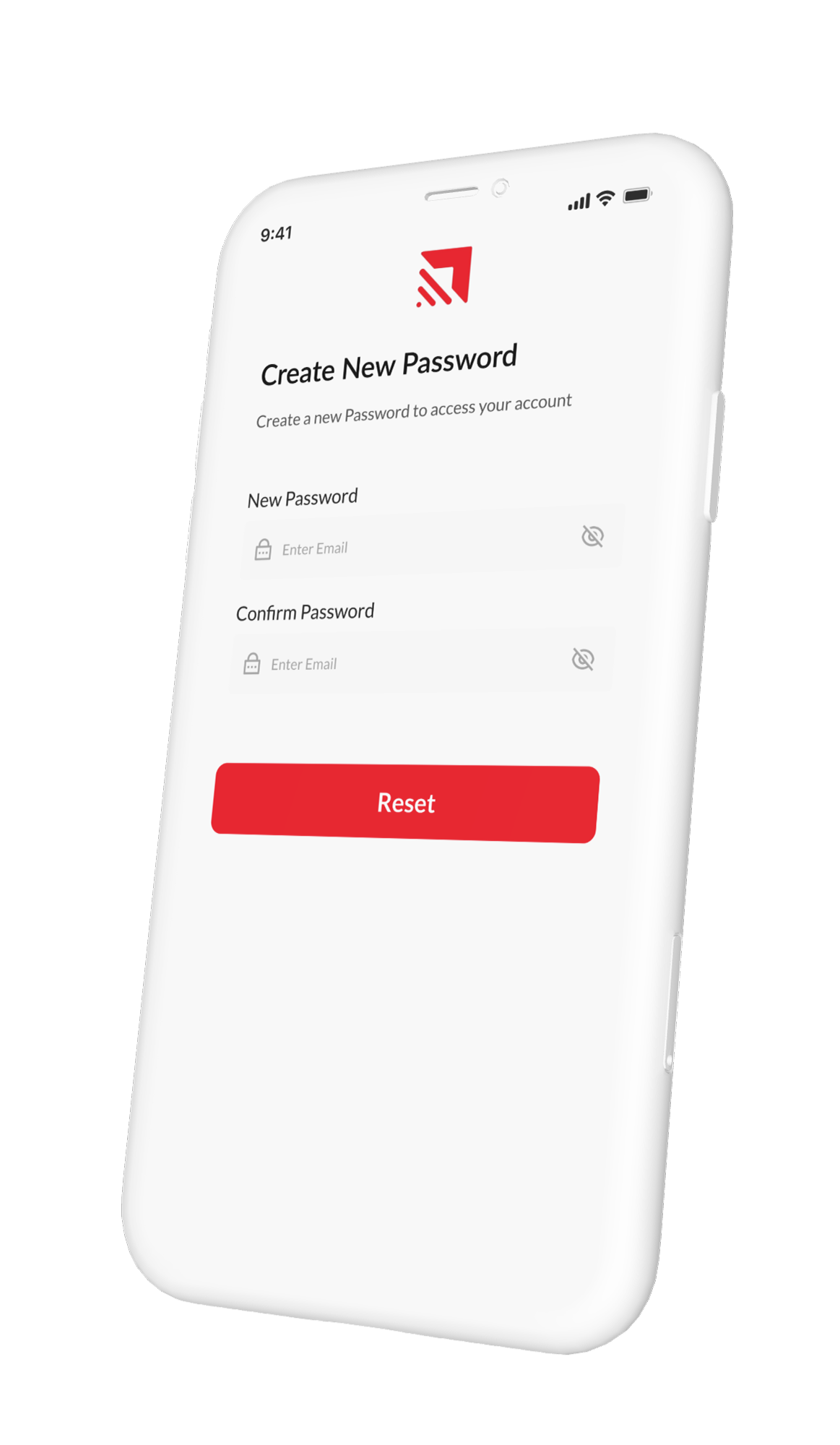
The authentication flow is the first impression of any product. The existing login and sign up experience felt dated, required too many steps, and created unnecessary friction that caused drop offs. This created a clear opportunity to modernize the flow, reduce friction, strengthen trust, and create a faster, more intuitive entry point into the product.The Opportunity
The Problem
Users struggled with several pain points:The process required too many screens and fields.The UI lacked clarity and did not follow modern mobile design patterns.Password resets and verification were confusing.The visual hierarchy made it difficult to know what action came next.Error messages lacked helpful guidance.
These issues increased login failures and led to unnecessary support tickets and onboarding drop offs.The Solution
The redesigned authentication experience focused on:
A simplified 2 to 3 step flow using progressive disclosure.
A modern Airbnb style UI with stronger hierarchy, larger tap targets, and accessible typography.
Clear and friendly microcopy to reduce confusion during errors or verification.
Visual trust indicators such as branded illustrations, secure badges, and subtle animations during processing.
Multiple authentication methods including email, password, Google sign in, and QR or code based two factor authentication.
The new flow reduced cognitive load, sped up onboarding, and aligned with modern best practices.
The Research
A mixed method approach guided the redesign:A heuristic evaluation of the existing flow revealed 27 friction points.A competitive analysis of apps like Airbnb, Uber, and Robinhood helped identify modern UI patterns and trust cues.Usability testing with 12 participants highlighted key needs:People wanted faster sign in options.Users frequently mistyped passwords on mobile.The two factor authentication flow needed clearer instructions and fallback options.
An analytics review showed a 22 percent drop off on the original Create Account screen.
These insights shaped the final UX decisions.Low Fidelity WireframesSketched early user flows in FigJam to rapidly test variations of the sign in and sign up paths.Prioritized grouping fields, reorganizing hierarchy, and simplifying steps.Used quick prototypes to validate tap targets, spacing, and readability before moving into visuals.
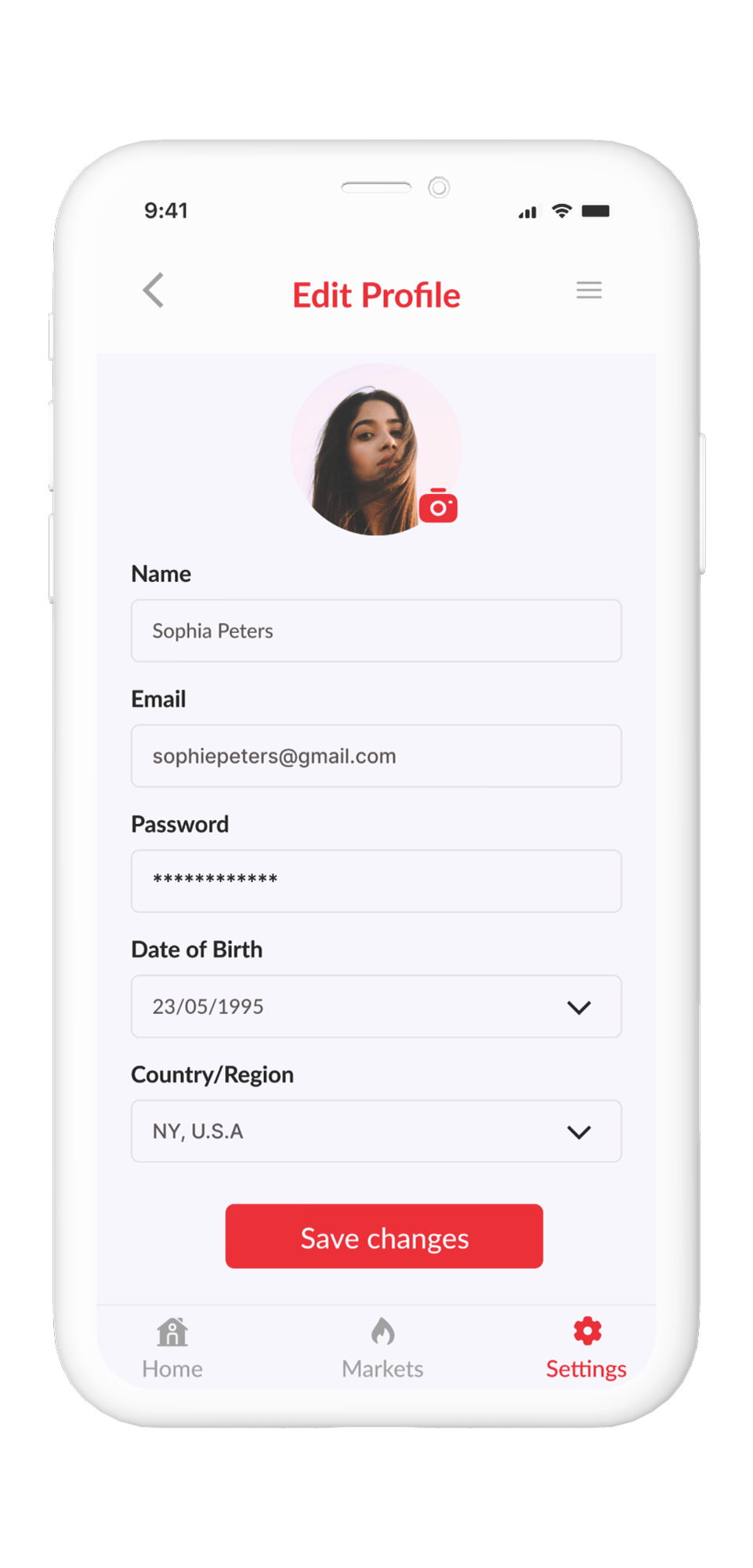
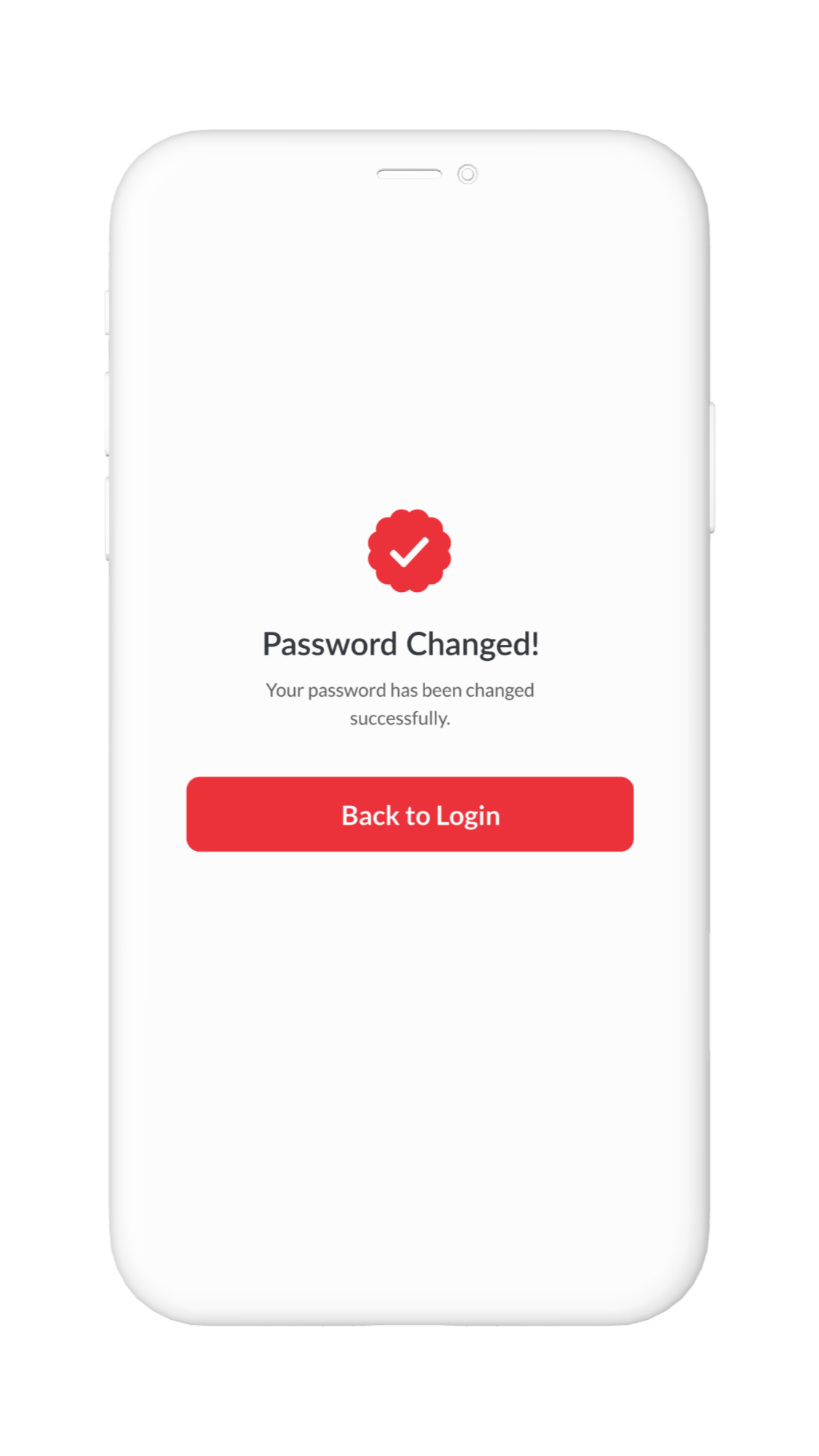
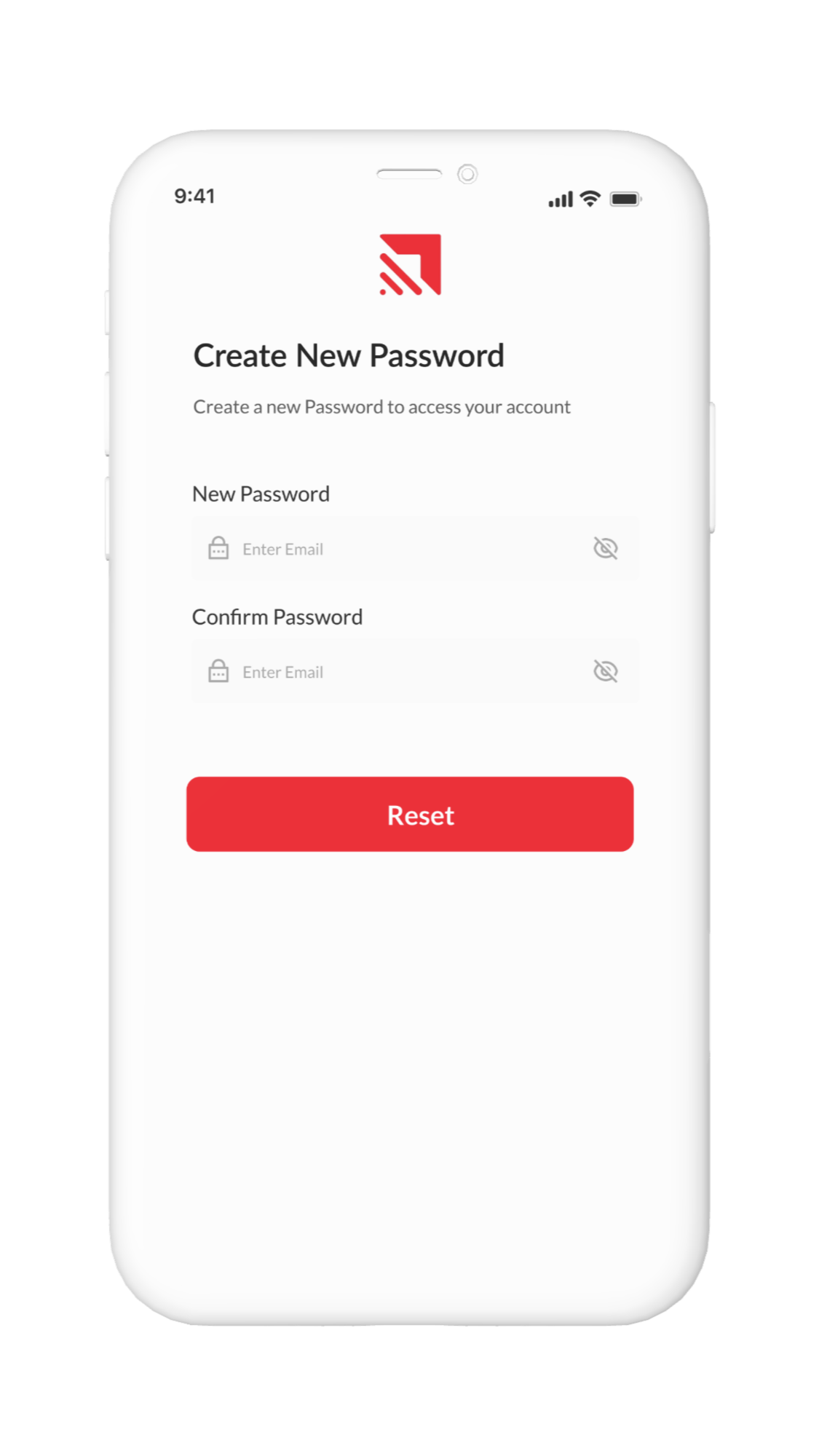
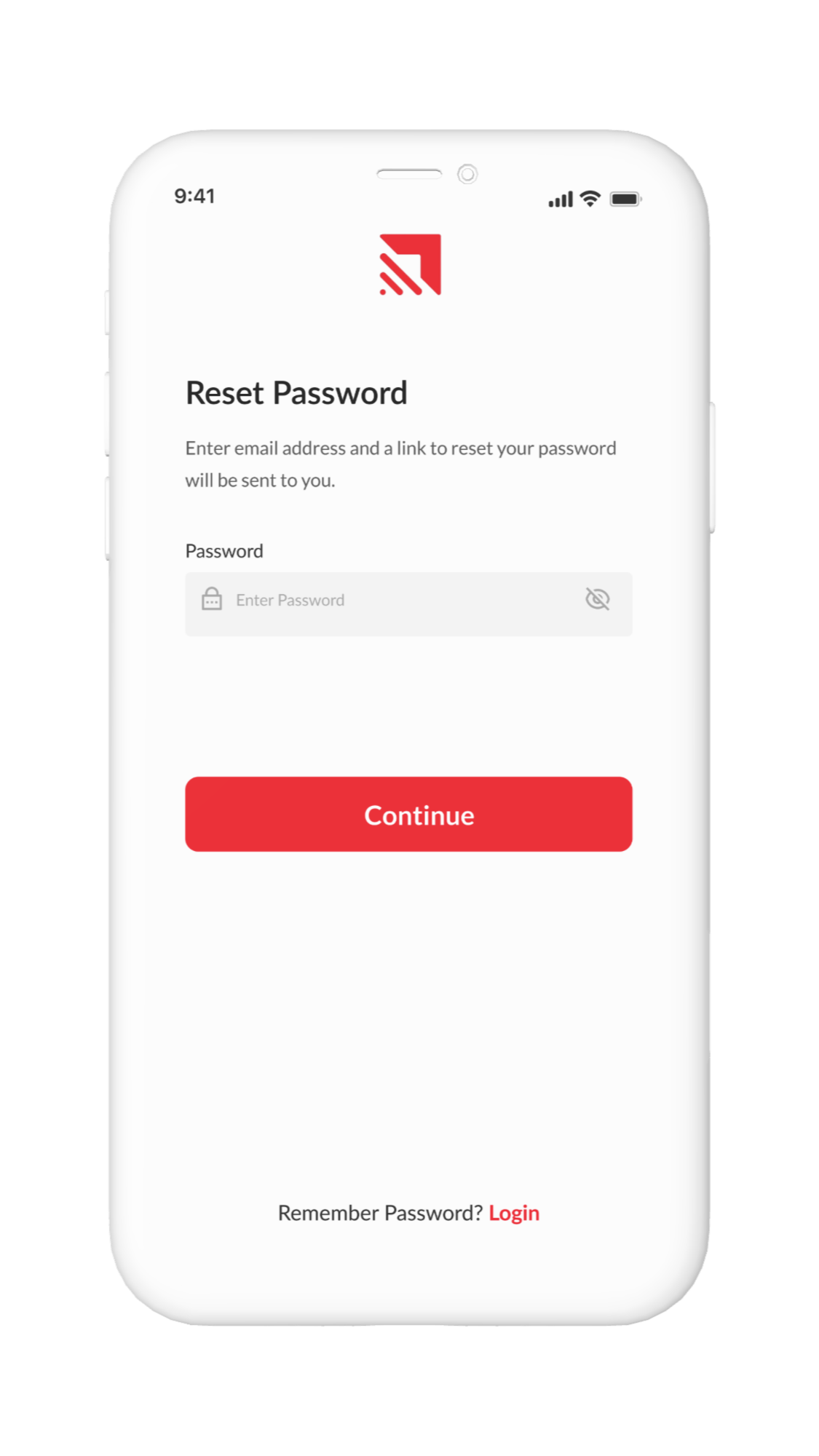
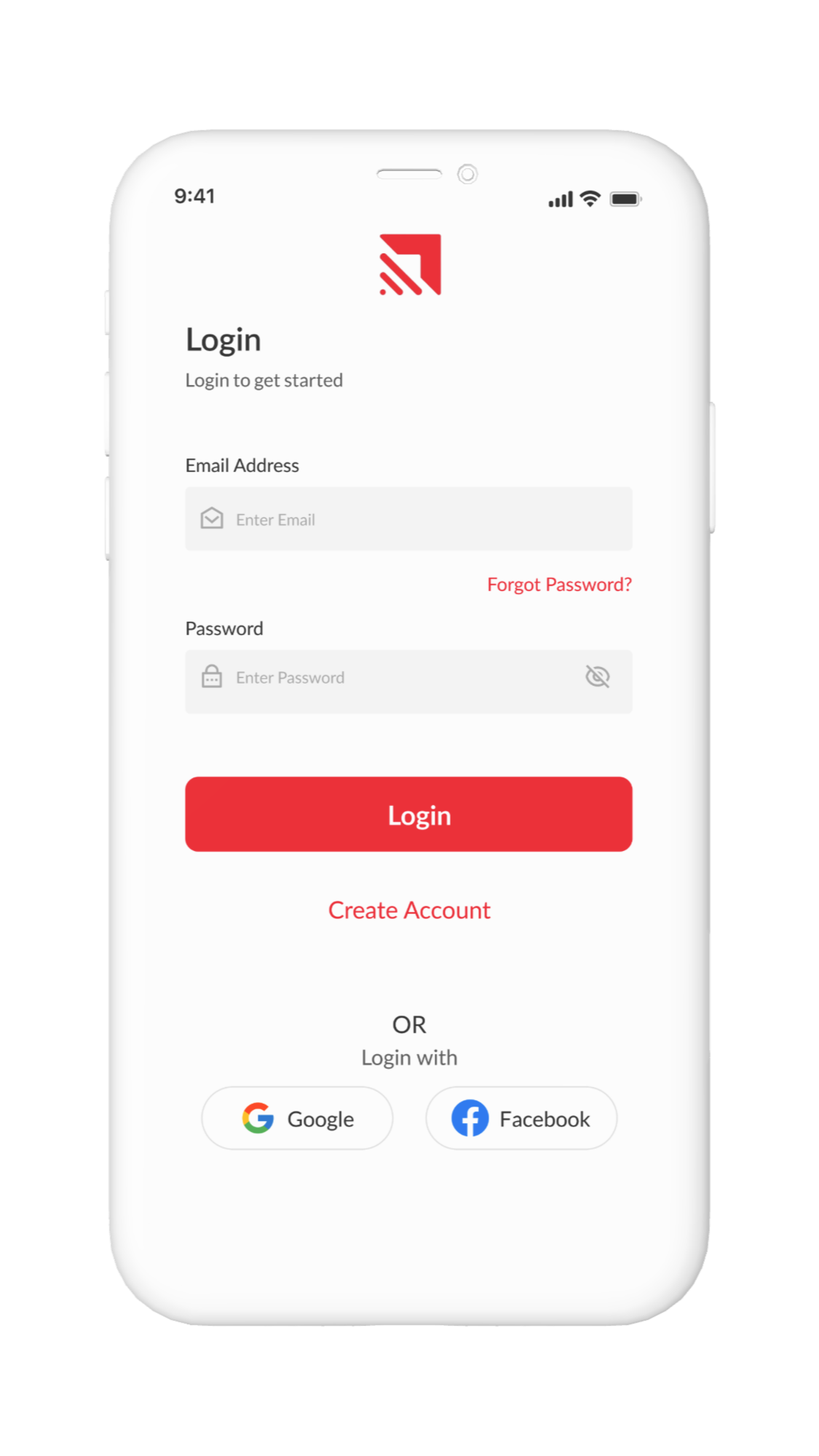
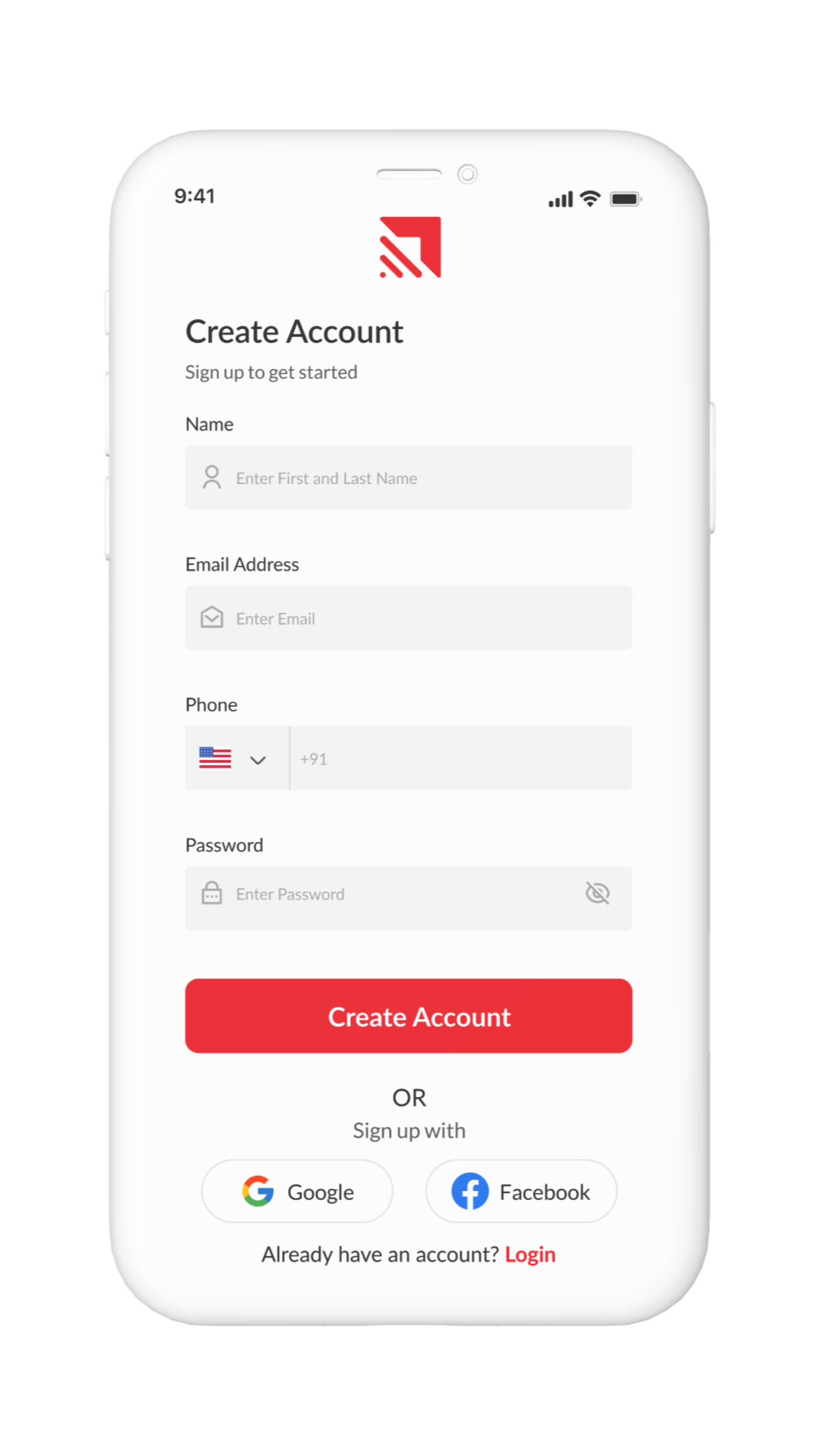
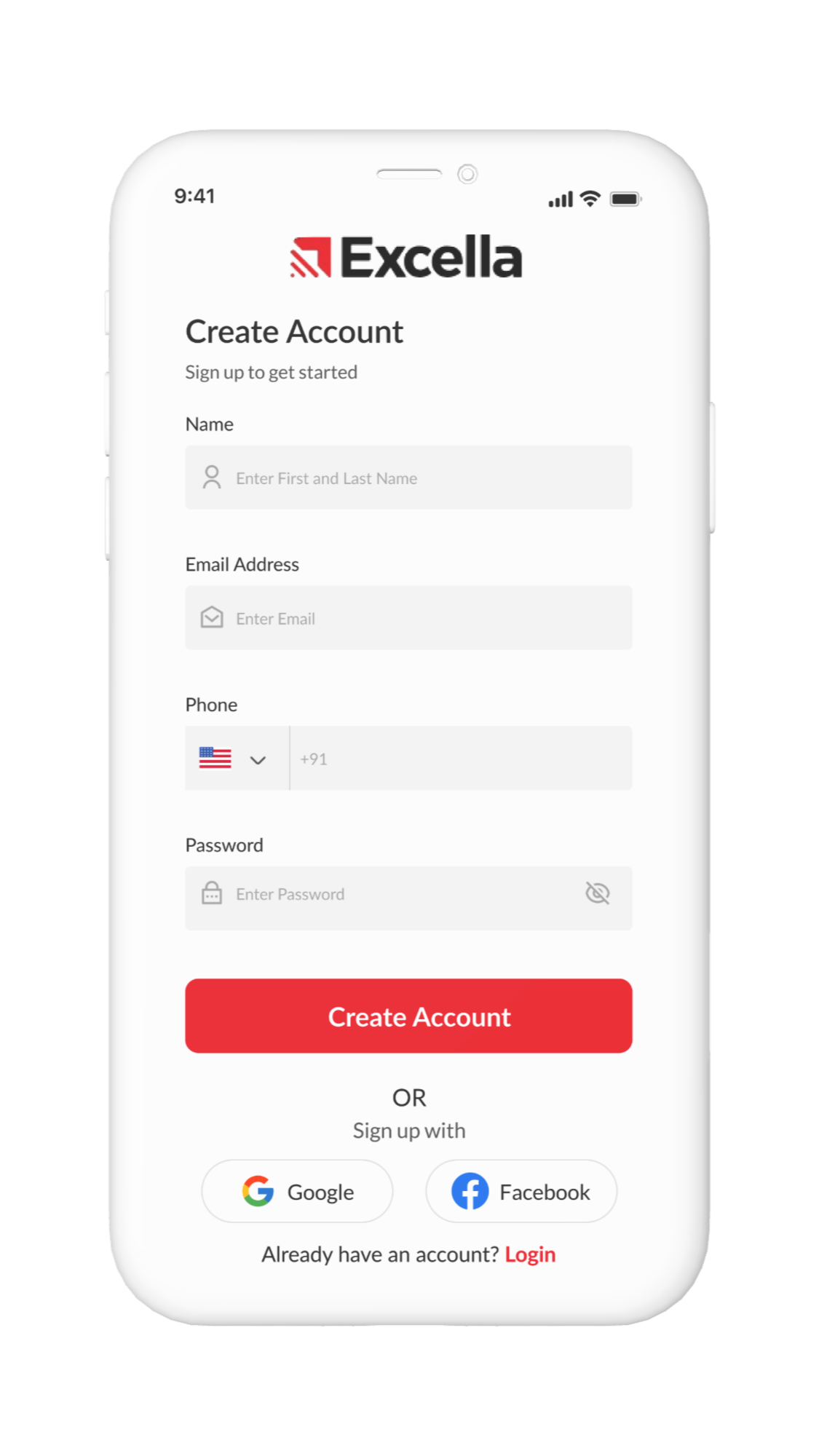
High Fidelity MockupsApplied updated color tokens, typography styles, spacing scales, and adaptive layout rules.Designed components such as input fields, error states, toggle buttons, and verification modules.Created smooth micro animations with Motion for Figma to show progress states and confirmations.Delivered interactive prototypes using Figma’s new 2025 Native Prototyping Engine to simulate real device behavior.
Tools UsedFigma 2025 for design, tokens, and advanced prototypingFigJam AI Assist for early workflow mapping and restructuringMotion for Figma for animations and transitionsContrast 2.0 Plugin for accessibility and WCAG validationZeplin Next Gen for clean developer handoff and component documentationPitch AI to create internal alignment decks with smart screen previews
Wireframes & High-Fidelity Mockups
TakeawaysA well designed authentication flow drives measurable improvements in growth and retention.Users care most about clarity, speed, and confidence during login and verification.Supporting multiple sign in paths significantly improves success rates.Clean visuals and thoughtful microcopy reduce anxiety and build trust.Investing in modern tools shortens design cycles and improves collaboration across teams.
ResultsAfter the redesigned flow launched, both user and business outcomes improved noticeably:Login success rate increased by 31%.Account creation time dropped by 42%Support tickets related to authentication issues fell by 28%.Users rated the new experience 4.7 out of 5 for clarity.Onboarding completion increased due to a faster, more trustworthy authentication experience.
The new login and sign up flow not only improved the user journey but also strengthened activation metrics, reduced operational costs, and set a strong visual and technical foundation for future identity and security improvements.